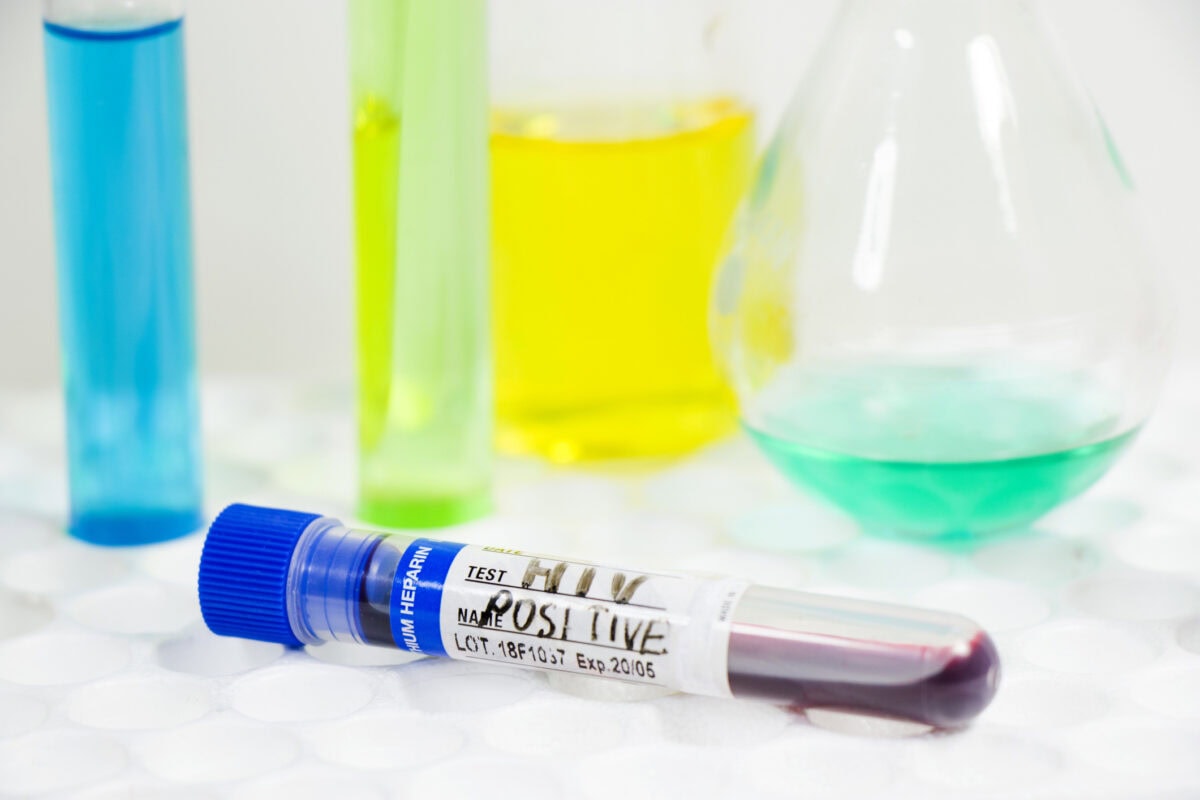
HIV PEP
HIV post-exposure prophylaxis (HIV PEP) is a medication provided to individuals who have recent confirmed or suspected exposures to HIV. This medication has been proven to significantly lower the chances of acquiring HIV infection if given immediately after the exposure is suspected.
Possible HIV Exposures
Exposures can occur after any type of sexual intercourse, contact with contaminated blood or contact of a newborn with maternal body fluids during vaginal birth (perinatal transmission). Contaminated urine, feces, saliva, or tears are not likely sources of HIV infection and considered less risky.
PEP Medication & Duration
The regimen contains antiretroviral agents, usually used to treat HIV infection, prescribed as a tablet, taken once daily, and the initial duration should be 30 days. These tablets are expected to stop the virus from entering and infecting the new host cells.
If you receive PEP, you must complete the full 30-day course unless your doctor specifically tells you to stop. If you do not complete your prescription, the antiretroviral may not prevent HIV infection.
HIV Testing and Follow-Up
All patients will get a baseline HIV test during the initial PEP encounter. However, this test is expected to be negative, since it may take at least 2 weeks to see an HIV positive result after an initial infection. After the 30-day course of PEP is completed, a follow-up HIV test is obtained. By this time, if there is HIV infection, it should be captured by the follow up test. If PEP was effective in preventing HIV infection, the test will result negative, and the medications will be stopped.